
Underpaid tax in Norway: what to do when the bill arrives

Co-founder of Penge · Published 12 August 2026 · 8 min read
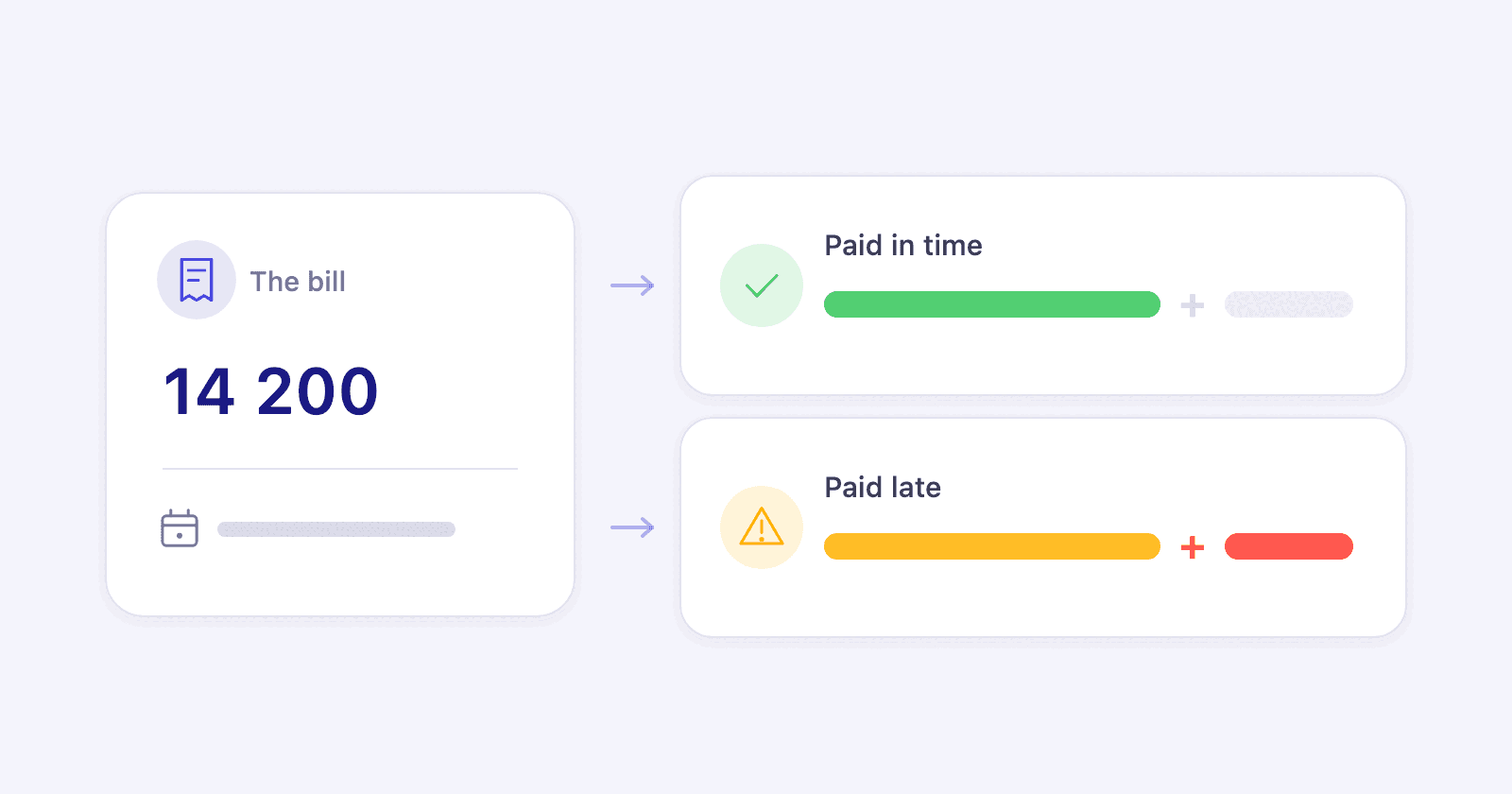
You open your tax settlement and there is an amount you have to pay. The interest is already added, and the deadline is shorter than most people expect. Here are the rules, and what you can do if the money is not there.
Key takeaways
- Underpaid tax of NOK 1,000 or more is split into two equal invoices. If your settlement came before 1 July, they fall due on 20 August and 24 September. If it came in August or later, they fall due three and eight weeks after it was sent.
- The interest is 3.12 percent for the 2025 income year. It is already included in the amount you see, and paying before the deadline does not reduce it.
- Miss the first invoice and the whole amount falls due at once, with late-payment interest on top.
- If you cannot pay, you can apply for a payment agreement. For private individuals the claim must be under NOK 100,000, repaid within 12 months, at a minimum of NOK 500 per month.
- You do not have to pay underpaid tax below NOK 100, interest included.
What is underpaid tax?
Underpaid tax, or restskatt, is the gap between what you paid in tax during the year and what you actually owed. Your employer deducts according to your tax card, and if the card does not match the year you had, too little comes out. The settlement is where the accounts are squared.
Tax in Norway is paid in advance. Your tax deduction card is an estimate the tax office makes ahead of time, based on what it knows about you from last year. If your year turns out differently, you end up either with money back or with a bill. Getting one usually just means your year turned out different from the guess made last autumn.
Preliminary figures from March, when the tax returns went out, showed about 1.2 million people heading for underpaid tax for the 2025 income year, against 2.7 million due a refund.[1] The tax office put the average at NOK 43,200, but that is an average across very different situations and says little about what is waiting for you.
When is the money due?
Underpaid tax of NOK 1,000 or more is split into two equal invoices with separate deadlines. If your settlement arrived before 1 July, they are due on 20 August and 24 September. If it arrived in August or later, they are due three weeks and eight weeks after the date it was sent.
| When your settlement arrived | First invoice | Second invoice |
|---|---|---|
| Before 1 July | 20 August | 24 September |
| August or later | 3 weeks after it was sent | 8 weeks after it was sent |
| Amount below NOK 1,000 | One invoice, same deadline | None |
If a deadline falls on a Saturday or Sunday, it moves to the Monday after. If you are still waiting, settlements continue through the autumn. The first autumn batch is 12 August, and everyone has theirs before 1 December.[2]
What the interest costs you
The interest surcharge on underpaid tax is 3.12 percent for the 2025 income year. It runs from 1 July of the income year until the due date of the first invoice, and it is already added to the amount shown in your settlement. Paying earlier than the deadline does not make it smaller.
The surcharge is calculated the moment your settlement is issued, so there is nothing to save by paying the first invoice a week early. What you can affect is the late-payment interest that starts running if you pay after the deadline.
The only way to avoid the surcharge entirely is to pay before the settlement is calculated. Pay additional advance tax by 31 May in the year after the income year and no interest is charged on the amount. For this settlement 31 May fell on a Sunday, so the deadline ran to Monday 1 June. It has passed either way, but note it for next year if you know your deductions have been too low.
Why did you get a bill?
Almost always because the tax card was built on something that no longer held. The usual reasons:
- Your interest costs fell, or you paid down a loan. A smaller interest deduction means more tax.
- You got a raise, changed jobs, or worked more overtime than the card assumed.
- You had more than one employer at the same time, and none of them deducted enough alone.
- Your employer used a percentage card where a table card should have applied, or the other way around.
- You had income nobody deducts tax from as it arrives, such as rental income, capital gains or freelance fees.
If the amount is large and none of those sound like your year, go through the figures in your tax return before you pay. You still have to pay by the deadline even if you think something is wrong, and take the correction up separately.
If you cannot pay it all
You can apply to the tax office for a payment agreement. For private individuals the main rules are that the claim is under NOK 100,000, that it is repaid within 12 months, and that you pay at least NOK 500 a month. You can instead apply to defer payment by up to four months from the due date.
The application asks you to explain why you cannot pay, propose a repayment plan, and attach an overview of your household income and expenses with documentation. The agreement has to cover every overdue claim you have, and you cannot already have an agreement on the same claims. Deferral assumes you have only one outstanding claim.[3]
Interest keeps running while the application is processed and throughout the agreement, so an agreement makes the amount larger, not smaller. If you break the agreement it lapses, and the claim can be collected in full.
Miss the first invoice and the entire amount falls due immediately. Late-payment interest then runs until the amount is paid, and the claim can end in enforced collection: attachment, deductions from your salary or benefits, and in the worst case a forced sale.
How to avoid it next year
- Change your tax card as soon as anything changes. You can change it as many times as you like during the year, with no limit.
- Check next year's card when it arrives rather than letting it run automatically. It takes a few minutes.
- Note 31 May. In a year when you know your deductions are too low, you can pay additional advance tax by that date and avoid the interest surcharge entirely.
If you change your tax card after your first payment of the year, you get a percentage card instead of a table card. A percentage card takes the same rate off every payment. That usually helps if your income varies, and it takes away the smaller December deduction a table card gives you.
Savings calculatorSee how your savings grow with compound interest.Last year's bill is in your own account history
If you owed tax last year too, you already have the number you need. The payment to the tax office is sitting in your account history, and last year's amount is a better starting point for what to set aside than a guess.
Divide it by twelve and put it aside monthly, and next year's invoice becomes a line you have budgeted for instead of a bill that lands sideways. It is the same exercise as insurance and road tax: the cost is annual, but it can be saved up monthly.
Get a full overview with Penge
Connect your bank and let the app categorize and budget automatically.
Frequently asked questions
- When do I have to pay my underpaid tax?
- If your settlement arrived before 1 July, the first invoice is due 20 August and the second 24 September. If it arrived in August or later, they are due three and eight weeks after it was sent. Amounts below NOK 1,000 come as a single invoice.
- Do I avoid interest by paying before the deadline?
- No. The 3.12 percent surcharge is calculated when the settlement is issued and does not fall if you pay early. What you avoid by paying on time is the late-payment interest that comes on top after the deadline.
- What happens if I do not pay?
- If the first invoice is not paid by its deadline, the whole amount falls due immediately. Late-payment interest runs until it is paid, and the claim can end in enforced collection through attachment or deductions from your salary or benefits.
- Can I split the payment if I do not have the money?
- You can apply to the tax office for a payment agreement. For private individuals the main rules are a claim under NOK 100,000, repayment within 12 months, and at least NOK 500 a month. Interest keeps running throughout the agreement.
- Do I have to pay if I think the settlement is wrong?
- Yes. The deadline applies either way, and late-payment interest starts if you wait. If you think something is wrong, pay by the deadline and take the correction up with the tax office as a separate matter.
- How do I avoid underpaid tax next year?
- Change your tax card as soon as something changes, such as a raise, a new job or lower interest costs. You can change it as many times as you like. If you know your deductions have been too low, pay additional advance tax by 31 May to avoid the interest surcharge.