
How to pay off debt faster

Co-founder of Penge · Published 2 June 2026 · 6 min read
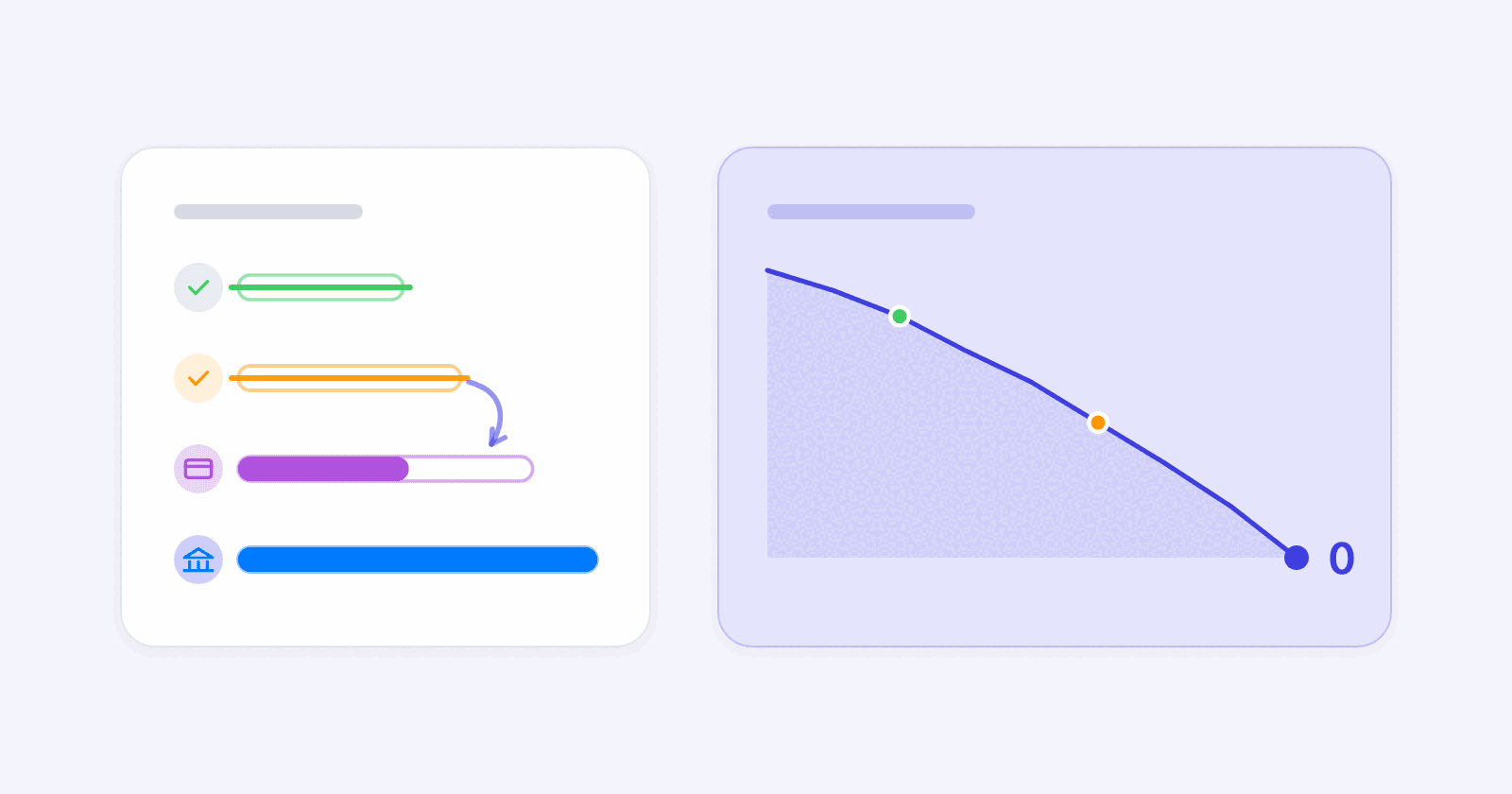
Debt grows quickly if you let it sit, but with a simple plan you can get rid of it faster than you think. Here are two well-known methods and how to choose.
Key takeaways
- Start by gathering all your debt in one place: loans, credit cards, instalments and interest rates.
- The snowball method pays off the smallest loan first for quick, motivating wins.
- The avalanche method pays off the highest-interest loan first, which is cheapest over time.
- Always pay more than the minimum, since the minimum is set low and mostly covers interest.
- Avoid new expensive debt while you pay down, and keep a small buffer for unexpected costs.
Where do you start when paying off debt?
Start by gathering all your debt in one place: consumer loans, credit cards, instalments and interest rates. When you see the total and the rates side by side, it becomes clear what is costing you the most and which debt to tackle first.
The first step is to gather everything in one place: consumer loans, credit cards, instalments and interest rates. When you see the total and the rates side by side, it becomes clear what is costing you the most.
The snowball method versus the avalanche method
There are two common ways to prioritize repayment:
- The snowball method: pay off the smallest loan first. You get quick wins that keep your motivation up.
- The avalanche method: pay off the loan with the highest interest rate first. It is the cheapest in kroner over time.
| Method | Pay off first | Main benefit |
|---|---|---|
| Snowball | Smallest loan | Quick wins keep motivation up |
| Avalanche | Highest interest rate | Cheapest in total over time |
The avalanche method saves you the most money, but the snowball method is often easier to stick with. Choose the one you can actually keep up.
Pay more than the minimum
The minimum payment on a credit card is low on purpose. If you only pay that, most of it goes to interest. Everything you can pay above the minimum goes straight to reducing the debt.
Loan calculatorWork out the monthly cost and total interest on your loan.Avoid new expensive debt
While you pay down, try to avoid taking on new consumer debt. A small buffer account helps you handle unexpected costs without having to reach for the credit card.
Get a full overview with Penge
Connect your bank and let the app categorize and budget automatically.
Frequently asked questions
- Should I save or pay off debt first?
- As a rule it pays to clear expensive debt, like credit cards, before you save, since the interest on the debt is usually higher than the return on savings. Still, keep a small buffer on hand.
- What is the difference between snowball and avalanche?
- The snowball method takes the smallest loan first for motivation. The avalanche method takes the most expensive loan, the one with the highest interest, first to save the most money.